

How Parents Can Protect Children’s Teeth Every Day
Starting With Everyday Prevention Protecting a child's teeth does not depend on one particular habit or one occasional visit. Oral health develops through many small choices made consistently at home, during meals, at school, and during play. Parents can make a meaningful difference by establishing routines that children can understand and follow. A kids dentist in Boca Raton can also provide guidance when families have questions about maintaining healthy teeth throughout childhood. Prevention begins with recognizing that children's mouths are constantly developing. Primary teeth need attention while permanent teeth are forming, and daily habits can influence both. Parents can support this process by making oral hygiene predictable, paying attention to changes, encouraging sensible food choices, and helping children understand why dental care matters. A calm approach can make these habits easier to maintain as children become more independent. Supervising Daily Brushing Young children often need assistance with brushing because they may not yet have the coordination required to clean every surface thoroughly. Parents can supervise brushing and gradually allow children to take more responsibility as their skills improve. The goal should be to make brushing a dependable part of the morning and evening routine. Children may become distracted or rush through the process, so gentle reminders can be useful. Parents can also demonstrate brushing themselves, allowing children to see that oral hygiene is something everyone practices. As children grow, supervision can gradually become less necessary, but occasional checks can still be helpful. Consistency matters more than making the routine complicated. When brushing becomes an ordinary part of daily life, children are more likely to continue the habit without seeing it as an inconvenient task. Cleaning Between Teeth A toothbrush cannot effectively clean every area between teeth, particularly when neighboring teeth touch closely. Cleaning between teeth is therefore an important part of maintaining good oral hygiene. Parents can help younger children until they have the ability and confidence to manage this part of their routine themselves. Children may initially find the process unfamiliar, so patience can make learning easier. Parents should focus on gentle, consistent technique rather than rushing. As children's mouths change, the spaces between their teeth may also change, making regular attention useful. Families can discuss appropriate techniques with a dental professional if they are uncertain about how to clean between a child's teeth. Teaching this habit early can help children understand that complete oral hygiene involves caring for areas that are not immediately visible. Making Thoughtful Food Choices What children eat and drink can influence their dental health. Foods and drinks containing added sugars can contribute to conditions that affect tooth surfaces, especially when consumed frequently throughout the day. Parents can encourage balanced meals and snacks while making water a regular choice. Fresh fruits, vegetables, and other nutritious foods can form part of a varied diet. Families do not need to make food stressful or treat occasional sweets as forbidden. Instead, children can learn that everyday choices have different effects on their bodies and teeth. Parents can also pay attention to how frequently children snack and drink sweetened beverages. Establishing sensible routines around meals can make it easier to manage exposure to sugar. These lessons can become useful habits that children carry with them as they gain greater independence. Protecting Teeth During Sports and Play Children naturally spend time running, climbing, playing games, and participating in sports. These activities are important for development and enjoyment, but some can involve a risk of injury to the mouth. Parents can encourage children to follow appropriate safety rules and use suitable protective equipment when recommended for an activity. Children should understand that protecting their teeth is another part of staying safe while playing. If an accident affects the mouth, parents should remain calm and seek professional guidance when necessary. A dental injury may not always look serious immediately, so professional assessment can help determine whether additional attention is needed. Teaching children to think about oral safety before an activity can reduce avoidable risks while allowing them to continue enjoying active lifestyles. Watching for Changes Parents see their children every day and are often in a good position to notice changes that might otherwise go unnoticed. A child may develop a new spot on a tooth, complain about sensitivity, avoid chewing on one side, or react differently while brushing. Other changes may involve tooth spacing, alignment, or the appearance of newly emerging teeth. Not every change indicates a problem, but unusual or persistent symptoms deserve attention. Parents can make observations easier by encouraging children to speak openly when something feels different. Regular dental examinations also provide an opportunity to discuss anything noticed at home. A combination of professional monitoring and parental awareness creates a stronger approach to children's oral health than relying on either one alone. Helping Children Develop Independence As children become older, parents naturally want them to take more responsibility for personal hygiene. Dental care can be an excellent area in which to develop that independence gradually. Children can begin by brushing under supervision and eventually manage the routine themselves. Parents can continue providing reminders and checking technique when appropriate. Explaining the reasons behind each habit can be more effective than simply giving repeated instructions. Children who understand that brushing removes buildup and helps protect their teeth may be more motivated to continue the routine. Independence should develop gradually rather than being expected overnight. Giving children responsibility while remaining available for support can help them build confidence and recognize that maintaining oral health is ultimately their own responsibility. Keeping Professional Guidance Part of the Routine Home care is essential, but regular professional attention is also an important part of childhood oral health. Dental examinations allow professionals to monitor developing teeth, discuss hygiene, and identify concerns that may not be obvious to parents. Families can use these visits to ask practical questions about brushing, food choices, tooth development, and other changes. Children can also become more familiar with dental environments when appointments are part of a regular routine. This familiarity may help reduce uncertainty and encourage better communication. Parents do not have to wait until a child experiences significant discomfort before seeking professional advice. Ongoing attention gives families an opportunity to stay informed and respond appropriately as children's mouths change. Building Habits That Last Healthy dental habits are most useful when they become part of everyday life. Parents can help by keeping routines predictable, encouraging children rather than criticizing mistakes, and setting a positive example. Children will naturally become more independent over time, but the habits established during their early years can provide an important foundation. Brushing, cleaning between teeth, making thoughtful food choices, protecting the mouth during activities, and maintaining regular dental care all contribute to this foundation. The process does not need to be perfect every day. What matters is creating a consistent pattern that children can understand and maintain. With patient guidance, children can learn that protecting their teeth is a normal part of caring for themselves, giving them useful habits that can continue well beyond childhood. Member Spotlight Big Tooth Boca 21301 Powerline Road Suite 208A Boca Raton, FL 33433 (561) 410-7741 https://pediatricdentistbocaraton.com/ Daily prevention plays an important role in helping children maintain healthy smiles as they grow. Kids dentist in Boca Raton can provide families with professional guidance about children's oral health and changing dental needs. Pediatric dentistry can support children through different stages of development and help parents understand appropriate care. When specific concerns arise, families may discuss emergency kids dental, sedation, orthodontics, extractions, root canals, or restorative dentistry for children of all ages. Professional guidance can complement the routines children follow at home and help parents make informed decisions when something changes. Regular attention can also help children become more comfortable communicating about their teeth and taking responsibility for their oral hygiene. Combining home care with suitable professional support gives children a practical foundation for maintaining their smiles throughout childhood.
Understanding the Connection Between Children's Oral Health and Daily Life
Why Oral Health Matters Beyond the Teeth
A child's oral health can influence many ordinary parts of daily life, including eating, speaking, sleeping, learning, and interacting with others. Healthy teeth and gums allow children to participate comfortably in everyday activities without unnecessary dental discomfort. Because children are constantly growing and developing, their oral needs can change as they move from one stage to another. Parents may notice changes in eating habits, brushing routines, or the way a child talks about discomfort as they grow. A kids dentist in Boca Raton can help families understand these changes and learn how to support healthy oral development. Good oral care is not limited to brushing twice a day. It also involves regular dental attention, thoughtful food choices, awareness of dental changes, and teaching children how to care for their own mouths. These habits can become part of a child's broader approach to personal health.
Oral Health and Eating Habits
Children rely on their teeth to chew a wide variety of foods as they grow. Dental discomfort can sometimes make children reluctant to eat certain foods, particularly those that are hard, crunchy, cold, or hot. Parents may notice that a child suddenly favors softer foods or avoids chewing on one side of the mouth. These changes should not automatically be interpreted as simple food preferences, especially if they continue or appear alongside other concerns. Maintaining a varied diet is important for growing children, and healthy teeth support comfortable eating. Parents can encourage children to take their time while chewing and to tell an adult when something feels uncomfortable. Children should also learn that frequent sugary foods and drinks can affect their teeth, particularly when oral hygiene is inconsistent. Rather than creating fear around food, families can focus on balance, regular meals, water, and a variety of nutritious choices. This helps children understand that caring for their teeth is connected to caring for their entire body.
The Role of Oral Health in Communication
Teeth play a role in the way children form certain sounds and communicate with others. As primary teeth are replaced by permanent teeth, children may temporarily experience changes in the way their speech sounds. Losing a tooth is a normal part of development, but parents may still have questions if speech changes seem persistent or unusual. Children also need comfortable mouths to speak freely at school, at home, and during social activities. Dental discomfort can sometimes make a child less willing to talk or participate. Parents can encourage children to explain when something feels different instead of assuming that the change will disappear on its own. Listening carefully is especially important for younger children who may not have the vocabulary to describe a dental concern clearly. Observing how a child eats, speaks, and behaves can provide useful information when discussing oral development with a dental professional.
How Oral Discomfort Can Affect Daily Routines
Children may respond differently when they experience dental discomfort. Some may clearly point to a tooth or complain about pain, while others may become irritable, have difficulty concentrating, or avoid certain activities. A child who wakes frequently during the night or suddenly becomes reluctant to eat may have an issue that deserves attention. Parents do not need to diagnose the cause themselves. Instead, they can observe changes and seek professional guidance when concerns persist. Regular dental appointments can also help identify developing issues before they interfere significantly with daily activities. When children understand that they can tell adults when something feels wrong, they are more likely to communicate concerns early. This is an important skill that extends beyond dental health. Teaching children to recognize changes in their bodies and communicate them clearly helps them become more responsible for their overall well-being as they mature.
Building Healthy Routines at Home
Daily routines are easier for children to follow when they happen at predictable times. Brushing in the morning and before bed can become part of the same sequence as getting dressed, eating breakfast, or preparing for sleep. Younger children generally need parents to provide direct assistance because they may not have the coordination needed to brush thoroughly. Older children can gradually assume more responsibility while parents continue checking their technique. Flossing should also become part of the routine when teeth touch and food can become trapped between them. Parents can demonstrate the process and offer reminders without turning every brushing session into an argument. Small choices, such as letting a child select a toothbrush or choose a brushing song, can make participation easier. The objective is to create consistency rather than demand perfection. Over time, repetition can help children understand that oral hygiene is simply part of taking care of themselves.
Encouraging Children to Take Responsibility
As children become older, parents can gradually move from direct supervision toward shared responsibility. This does not mean that parents need to stop checking oral care suddenly. Instead, they can encourage children to explain their routine, demonstrate their brushing technique, and identify areas where they need reminders. Children can also learn why regular dental appointments are useful and why changes in the mouth should be reported. Giving children age-appropriate information helps them understand the purpose behind routines rather than simply following instructions. When children know why brushing and flossing matter, they may become more willing to maintain these habits independently. Parents can also encourage children to ask questions during dental visits. This teaches them that healthcare is something they can participate in rather than something that happens entirely around them. These lessons can help children develop confidence and responsibility that carries into adolescence.
Creating a Long-Term Approach to Oral Health
Healthy dental habits are built through many ordinary decisions rather than one single action. Children benefit when brushing, flossing, balanced eating, protective habits, and regular professional care become familiar parts of their routines. Parents can support this process by modeling good habits themselves and keeping conversations about oral health calm and practical. If children understand that dental care helps them eat comfortably, communicate, sleep well, and enjoy everyday activities, oral hygiene can become more meaningful to them. Parents should also pay attention to changes rather than assuming every concern is temporary. Timely attention can help prevent a small issue from becoming a larger source of discomfort. As children mature, they can gradually take greater responsibility for maintaining their teeth and communicating concerns. The goal is to help children develop an understanding of oral health that remains useful throughout their lives. Regular encouragement can reinforce these lessons without creating unnecessary pressure. Children do not need to know everything at once. They can learn through repetition, observation, and age-appropriate explanations. A supportive home environment can make it easier for them to establish routines and ask for help when needed. By treating oral health as part of everyday wellness, parents can help children develop habits that extend beyond childhood. This approach can make dental care feel practical, familiar, and manageable. Over time, those early habits can provide a strong foundation for continued attention to oral health.
Member Spotlight
Big Tooth Boca
21301 Powerline Road Suite 208A
Boca Raton, FL 33433
(561) 410-7741
https://pediatricdentistbocaraton.com/
Children's oral health can influence eating, communication, comfort, and everyday routines, making consistent care important throughout childhood. A kids dentist in Boca Raton can guide families through age-related dental changes and help parents understand how to support healthy habits at home. Pediatric dentistry focuses on children's developing teeth and provides care suited to different stages of childhood. When a child experiences an urgent dental concern, emergency kids dental care may be appropriate when timely attention is needed. Sedation may also be considered when clinically appropriate for an individual child's circumstances. As children grow, orthodontics, extractions, root canals, and restorative dentistry for children of all ages may become part of their dental needs. Parents can support healthy development by encouraging regular brushing, flossing when appropriate, balanced eating habits, and open communication about discomfort. A consistent approach can help children become increasingly comfortable with caring for their own oral health.
Teaching Children Good Brushing Habits in Boca Raton, FL
Parents often ask how they can help their children build healthy brushing habits that continue throughout life. Families looking for a Kids Dentist in Boca Raton frequently begin by learning simple ways to encourage children to enjoy taking care of their teeth every day. Healthy routines do not appear overnight. They develop through patience, consistency, and positive encouragement. Children who understand why brushing matters are often more willing to participate and become proud of caring for their smiles. The goal is not to create perfect habits immediately but to establish routines that become easier and more natural with time. Every small step contributes to a lifetime of healthier smiles and greater confidence.
Creating a Brushing Routine That Children Can Follow
Children feel more comfortable when they know what to expect each day. Establishing a predictable morning and bedtime routine makes brushing feel like a normal part of daily life rather than an extra task. Parents can make this routine enjoyable by brushing together, using colorful toothbrushes, or choosing a favorite song that lasts about as long as the brushing session. Young children often learn through imitation, so seeing parents brush their own teeth encourages them to do the same. Positive reinforcement is also valuable because children respond well when their effort is recognized. Instead of correcting every small mistake, parents can celebrate consistency and gently guide better brushing techniques over time. A relaxed approach helps children remain interested without feeling pressured. As they become older, children gain more independence while still benefiting from occasional reminders and encouragement from the adults around them. These simple routines gradually become lifelong habits that support healthy smiles.
Helping Children Understand Why Brushing Is Important
Children are naturally curious, and they usually cooperate more when they understand the purpose behind a daily activity. Instead of simply reminding them to brush, parents can explain that brushing helps remove food left on the teeth and keeps the mouth feeling fresh and clean. These simple explanations are easier for young children to understand than complicated discussions about future dental concerns. Everyday learning opportunities can also make oral care more interesting. Storybooks, educational videos, drawing activities, and simple games related to healthy smiles all help children connect learning with fun experiences. Parents should encourage children to ask questions because curiosity builds confidence. As children grow, they become more interested in understanding how their bodies work, including the importance of caring for their teeth. Regular conversations about healthy habits encourage children to take greater responsibility for their own oral hygiene while continuing to value family guidance and support throughout their childhood.
Encouraging Positive Attitudes Toward Oral Health
Developing healthy brushing habits also involves creating positive feelings about oral care. Children who associate brushing with encouragement instead of pressure are more likely to continue their routines without resistance. Parents can avoid turning brushing into a punishment by presenting it as a normal and valuable part of staying healthy. Daily routines become much easier when they are approached calmly and consistently. Families can also talk about healthy smiles during everyday moments rather than only before brushing. These conversations help children see oral hygiene as part of overall wellbeing instead of an isolated responsibility. It is equally important for parents to remain patient because every child develops at a different pace. Some children quickly become independent while others require additional guidance for a longer period. Supporting progress rather than expecting perfection helps build confidence and creates positive memories that encourage children to continue caring for their teeth as they grow older.
Building Habits That Last Beyond Childhood
Healthy brushing habits formed during childhood often continue well into adult life. Parents who remain involved while gradually encouraging independence help children become confident in managing their own oral hygiene. As children begin school, participate in sports, and develop busier schedules, maintaining regular brushing routines becomes even more important. Families can support these habits by keeping oral care supplies easily available and making healthy routines a consistent part of every day. Encouraging water throughout the day and promoting balanced eating habits also contributes to good oral health without making children feel restricted. Most importantly, children should understand that oral hygiene is not about achieving perfection but about caring for themselves every day. Over time, these simple routines become automatic, helping children protect their smiles while developing confidence in their ability to care for their own health. Positive habits established early often remain valuable throughout every stage of life.
Member Spotlight
Big Tooth Boca
21301 Powerline Road Suite 208A
Boca Raton, FL 33433
(561) 410-7741
https://pediatricdentistbocaraton.com/
Helping children develop healthy brushing habits requires patience, encouragement, and consistency from the entire family. Parents searching for a Kids Dentist in Boca Raton often appreciate care that supports children as they grow while making oral health a comfortable and positive experience. Pediatric dentistry focuses on the changing needs of developing smiles from early childhood through the teenage years. Restorative dentistry for children of all ages can help maintain healthy teeth whenever additional care becomes appropriate. Emergency kids dental care allows families to receive timely attention if an unexpected dental concern occurs. Sedation may be considered for certain children when additional comfort is appropriate during treatment. Orthodontics can support healthy dental development as permanent teeth come in, while extractions and root canals may be recommended in specific situations to protect long term oral health. When families encourage daily brushing, healthy eating habits, regular oral hygiene, and positive conversations about caring for teeth, children are more likely to develop confidence, independence, and healthy smiles that continue throughout adulthood.

How Parents Can Encourage Better Brushing Habits in Children
Why Brushing Habits Begin at Home Parents have a major influence on how children view oral hygiene. The routines established at home often shape a child's attitude toward brushing and overall oral health. Many families seek guidance from a kids dentist Boca Raton when trying to improve their children's brushing habits and create more effective daily routines. While every child is different, one common factor remains true. Positive habits are usually easier to develop when children feel supported and encouraged rather than pressured. Children learn by observing the people around them. When parents prioritize oral hygiene and demonstrate consistent brushing habits, children are more likely to follow those examples. This process begins early in life and continues throughout childhood. The environment created at home can make brushing feel like a normal part of the day instead of a task that children try to avoid. Developing healthy habits does not happen overnight. It requires patience, repetition, and positive reinforcement. Small daily efforts can eventually become routines that support long term oral health and personal responsibility. Making Brushing a Positive Experience One reason some children resist brushing is that they see it as an obligation rather than a positive activity. Parents can help change this perception by making brushing more engaging and enjoyable. Children often respond well to routines that include encouragement, praise, and participation from family members. Creating a fun atmosphere does not require complicated strategies. Playing a favorite song, using a timer, or turning brushing into a family activity can make the experience feel more enjoyable. When children associate brushing with positive feelings, they may become more willing to participate consistently. Consistency is important during this process. Children benefit from knowing exactly when brushing will occur each day. Predictable routines reduce uncertainty and help transform brushing into a regular habit. Over time, these routines become easier to maintain because they feel familiar and expected. Parents should also focus on encouragement rather than criticism. Positive feedback helps build confidence and motivation. Children are more likely to continue healthy behaviors when they feel successful and supported. Helping Children Understand the Importance of Oral Care Children are often more cooperative when they understand why something matters. Explaining the purpose of brushing in simple language can help them connect daily habits with long term benefits. Rather than focusing only on rules, parents can talk about how brushing helps keep teeth clean and healthy. These conversations should be appropriate for the child's age and level of understanding. Younger children may respond to simple explanations, while older children can understand more detailed discussions about oral health. The goal is to create awareness without causing unnecessary concern. Learning through everyday experiences can also be effective. Parents can use routine moments to discuss healthy habits and answer questions. These conversations help children feel involved in their own oral health journey and encourage a sense of responsibility. As children gain knowledge, they often become more motivated to care for their teeth independently. Education supports confidence and helps transform brushing from a required activity into a personal habit. Overcoming Common Challenges Most parents encounter challenges when teaching brushing habits. Some children become distracted, while others simply resist routines. These situations are common and do not necessarily indicate a long term problem. Consistency and patience remain important during difficult periods. Children may also experience changes in motivation as they grow older. What worked during preschool years may not be effective during elementary school. Adapting strategies to match a child's development often leads to better results. Flexibility allows parents to respond to changing needs while maintaining healthy expectations. It is also important to recognize that progress may occur gradually. Building habits takes time, and occasional setbacks are normal. Parents who focus on long term consistency rather than short term perfection often achieve more sustainable results. Maintaining a positive attitude helps children feel less pressured. When brushing becomes part of a supportive routine, children are more likely to continue participating even during challenging stages. Creating Habits That Continue Into the Future Healthy brushing habits developed during childhood can provide benefits for many years. The lessons children learn about consistency, responsibility, and self care often extend beyond oral hygiene. These experiences help build confidence and encourage greater independence as children mature. Parents play an essential role in guiding this development. Through encouragement, education, and positive role modeling, they help children understand the value of daily oral care. The habits established today can influence future attitudes toward health and wellness. As children become older, they gradually take greater responsibility for their routines. Parents can continue providing support while allowing children to develop independence. This balance helps build confidence and prepares children for future self care. Toward the later years of childhood, strong brushing habits often become automatic. Children who have practiced consistent routines for years may find it easier to maintain them without frequent reminders. These habits can contribute to healthier oral health outcomes and greater personal responsibility. Families who emphasize consistency and encouragement often create lasting positive changes. Daily brushing may seem simple, but it represents an important foundation for lifelong oral health. Many parents continue seeking guidance from a kids dentist Boca Raton as they help their children strengthen these valuable habits and maintain healthy smiles throughout childhood. Member Spotlight Big Tooth Boca 21301 Powerline Road Suite 208A Boca Raton, FL 33433 (561) 410-7741 https://pediatricdentistbocaraton.com/ Developing strong brushing habits during childhood requires a combination of education, encouragement, and consistency. Parents who actively participate in their children's oral care routines often help create positive experiences that support long term success. Children benefit when oral hygiene is presented as a normal part of daily life rather than an occasional responsibility. Over time, these routines can contribute to healthier teeth, improved confidence, and a greater understanding of personal responsibility. A kids dentist Boca Raton may provide support through pediatric dentistry, emergency kids dental care, sedation, orthodontics, extractions, root canals, and restorative dentistry for children of various ages. These services can help families address different oral health needs while encouraging positive experiences for young patients. Combined with strong daily habits at home, professional guidance can support healthy development and help children build the confidence needed to maintain their oral health as they grow. Consistent care, family involvement, and age appropriate education all contribute to creating a strong foundation for lifelong oral wellness.
Simple Ways to Encourage Better Brushing Habits for Children
Parents often spend a lot of time helping children build routines that support healthy growth. Oral hygiene is one of the most important habits children can learn early in life. Many families searching for advice from a kids dentist Boca Raton parents trust want realistic ways to make brushing easier and more consistent at home. Teaching children to care for their teeth does not always happen quickly, but small daily routines can create lasting habits over time. Children usually respond best when oral care feels positive, calm, and connected to everyday life rather than something stressful or rushed. Why Daily Brushing Habits Matter
Children are still learning how routines work, which means consistency plays an important role in oral hygiene. Brushing every morning and night helps children understand that caring for their teeth is part of daily self care. When routines happen regularly, children begin expecting them instead of resisting them every time. Parents often notice that children are more cooperative when brushing becomes familiar. Predictable schedules reduce confusion and help children understand what comes next during the day. Morning brushing can become part of getting ready for school, while evening brushing often fits naturally into bedtime routines. Good brushing habits may also help children feel more independent as they grow older. Young children usually need supervision and guidance, but over time they become more confident handling oral hygiene on their own. Encouragement during these early years can shape the way children care for their teeth in the future. Children also learn emotional reactions from the adults around them. Calm and positive conversations about oral care may help reduce resistance and anxiety. When parents treat brushing as a normal and healthy activity, children often begin viewing it the same way. Making Brushing Feel More Enjoyable
Children are naturally curious and playful, so turning brushing into an enjoyable activity may improve cooperation. Parents sometimes use music, timers, or storytelling to help children stay engaged during brushing routines. Even simple games can make oral care feel less repetitive and more interactive. Some children enjoy choosing their own toothbrush or toothpaste flavor. Allowing small choices can help children feel involved in the process and more willing to participate. Personal involvement often creates a stronger sense of responsibility. Parents may also find that brushing together as a family helps children stay motivated. Young children like copying adults, and family routines can make oral care feel like a shared activity instead of a chore. These moments may also create opportunities to demonstrate proper brushing habits naturally. Praise and encouragement often work better than criticism when teaching oral hygiene. Celebrating small improvements can help children feel proud of their progress. Positive reinforcement builds confidence and may encourage children to continue practicing healthy routines consistently. Children usually respond better when routines feel calm rather than rushed. Creating enough time for brushing can make the experience feel more comfortable and less stressful for everyone involved. Teaching Children About Healthy Choices
Oral health is connected to many daily habits, including nutrition and hydration. Parents can help children understand how food choices affect teeth without making conversations feel strict or overwhelming. Simple explanations are often easier for children to understand and remember. Sugary snacks and drinks are common during childhood, but balance and moderation are important. Encouraging children to drink water throughout the day may support healthier oral hygiene habits. Water can help rinse away food particles and keep the mouth feeling fresh. Children also benefit from structured meal and snack times. Constant snacking may expose teeth to food particles more often, especially if brushing does not happen afterward. Organized routines may help children develop more consistent oral care habits while supporting balanced eating patterns. Parents can make healthy foods feel exciting by involving children in meal preparation or grocery shopping. Children are often more interested in trying healthier foods when they feel included in the process. These experiences may also encourage discussions about why healthy habits matter. Positive conversations about nutrition and oral care often create stronger long term habits than focusing only on restrictions. Children who understand the purpose behind routines may become more willing to follow them consistently. Helping Children Feel Comfortable With Dental Care
Some children feel nervous about dental visits or oral hygiene because they are unfamiliar with the experience. Parents can help by discussing oral care in a calm and reassuring way. Children often pay close attention to adult reactions and emotions. Pretend play may help younger children feel more relaxed. Parents sometimes practice counting teeth or brushing stuffed animals before appointments. Familiar activities can reduce uncertainty and help children feel more prepared. Books and stories about oral hygiene may also make dental care feel more approachable. Children often connect with characters who learn healthy habits or visit the dentist in positive ways. These stories can help reduce fear while building curiosity. Children may also feel more confident when they understand what is happening during oral care routines. Simple explanations about brushing and healthy habits can make children feel included instead of confused. Open communication often improves cooperation over time. As children become more familiar with oral hygiene and dental visits, they may feel more relaxed and confident. Families often appreciate support from a kids dentist Boca Raton residents rely on when helping children develop healthy and positive oral care habits. Helping Healthy Habits Continue Over Time
Building strong oral hygiene habits takes patience and consistency. Children learn gradually, and routines often improve with encouragement and repetition. Parents who remain supportive during this process may help children feel more confident and capable. Healthy routines often become easier when they are connected to everyday activities. Brushing after breakfast and before bed may eventually feel automatic for children who practice consistently. Familiar routines create structure and support long term habits. Children also gain confidence when they are trusted with small responsibilities. As they grow older, parents can gradually allow more independence while continuing to supervise and guide when needed. This balance helps children feel capable while maintaining healthy routines. Family involvement continues to play an important role throughout childhood. Shared habits and positive conversations about oral care can influence the way children approach their health for years to come. Children who feel encouraged often become more willing to continue healthy routines independently. Member Spotlight Big Tooth Boca 21301 Powerline Road Suite 208A Boca Raton, FL 33433 (561) 410-7741 https://pediatricdentistbocaraton.com/ Parents often want children to feel comfortable and confident while learning healthy oral hygiene habits. Visiting a kids dentist Boca Raton families trust may help children become more familiar with regular dental care and positive daily routines. Pediatric dentistry often supports children as they learn proper brushing habits and become more comfortable discussing oral health. Some children may need additional support through restorative dentistry for children of all ages, orthodontics, emergency kids dental care, sedation, root canals, or extractions depending on their individual needs. Encouraging healthy routines early in life may help children develop stronger long term habits while reducing fear or uncertainty around oral care. Positive experiences at home and during dental visits often influence how children view oral hygiene as they continue growing. Parents who focus on consistency, encouragement, and healthy routines may help children build confidence while understanding the importance of caring for their teeth every day. Healthy habits learned during childhood can continue supporting oral wellness throughout later stages of life.
Why Bedtime Habits Shape Children's Oral Comfort More Than Parents Expect
Evening routines often influence the next full day
Parents usually notice bedtime affects sleep, mood, and morning energy, but many do not immediately realize how strongly evening habits shape oral comfort the next day. The final hour before sleep often determines whether a child wakes feeling fresh or uncomfortable. Small choices during that period matter because nighttime creates a long stretch without eating, drinking, or active movement. In many homes, bedtime becomes rushed because homework, family schedules, and evening distractions continue later than expected. During those conversations about healthy routines, many families naturally encounter pediatric dentist Boca Raton while reading about why evening consistency often matters more than perfect daytime habits.
A calm bedtime sequence often improves cooperation because children understand what comes next. When brushing always happens after the same final activity, resistance often decreases. Children respond well when the routine feels expected rather than suddenly announced. Familiar order helps reduce delay because less attention is spent negotiating each step.
Late snacks often change nighttime comfort
One common bedtime challenge is late eating. Children often ask for snacks close to sleep because evenings feel relaxing and hunger appears after activity slows down. While occasional late snacks are normal, repeated nighttime eating changes how the mouth feels during sleep because no natural daytime pattern follows afterward.
Parents often notice that children wake feeling different after evenings with repeated snacks compared with nights that end more simply. Even a child who brushes regularly may feel less comfortable when bedtime eating becomes frequent. Families often manage this by creating a clear point where snacks end and bedtime begins.
Water also plays a role here. A child who drinks water calmly before sleep often feels more comfortable than one who finishes the evening with sweet drinks or repeated sipping of flavored beverages. These patterns seem small but become noticeable over time because bedtime repeats every day.
Screens can interrupt focus during oral routines
Modern evenings often include screens, and that changes bedtime behavior more than many parents expect. A child focused on a video or game may delay brushing simply because attention remains elsewhere. Even cooperative children often become slower when the mind is still engaged with bright screens or fast moving content.
Families often improve bedtime by reducing screen activity shortly before oral care begins. This helps children shift naturally into a calmer pace. A quieter environment often means fewer reminders are needed because children are already moving toward rest.
Children also brush more carefully when they are not mentally distracted. A rushed routine done while still focused on entertainment usually becomes uneven. Parents who create a short calm period before bedtime often notice more cooperation without needing repeated correction.
Nighttime routines help children feel secure
Bedtime routines are not only practical. They also provide emotional structure. Children often feel more settled when the same sequence repeats each night because predictability reduces uncertainty. This emotional comfort often makes oral care easier because brushing becomes one expected step in a familiar process.
Many parents notice that children ask fewer questions and resist less when the order remains stable. Bath time, quiet reading, brushing, and lights out often work well because each step naturally leads into the next. The exact routine matters less than consistency itself.
Even older children benefit from a familiar bedtime pattern. While they may no longer need close supervision, they still respond to predictable expectations. A calm ending to the day often supports better long term habits because children stop seeing oral care as optional.
Morning comfort often begins the night before
The strongest proof of bedtime habits often appears the next morning. Children who complete a calm evening routine often wake more ready for breakfast and daily activity. They may also begin the morning with less resistance because the previous night ended in an organized way.
Parents sometimes focus heavily on morning brushing because mornings feel important, but evening care often shapes how the mouth feels after many hours of sleep. That is why bedtime often deserves equal attention even when evenings are busy.
In later family discussions, many parents hear pediatric dentist Boca Raton again when asking why children who brush consistently still experience different comfort levels depending on bedtime choices. The phrase appears naturally because local families often connect bedtime success with long term routine building.
Member Spotlight
Big Tooth Boca
21301 Powerline Road Suite 208A
Boca Raton, FL 33433
(561) 410-7741
https://pediatricdentistbocaraton.com/
Evening habits often influence comfort more than families expect because the final routine of the day shapes how children feel after many hours of rest. A child who finishes the night calmly usually wakes with greater comfort and less resistance to morning habits. Families exploring bedtime guidance often come across pediatric dentist Boca Raton when learning how daily structure supports healthy development. In situations where a child needs extra support, pediatric dentistry can help maintain steady care, while sedation may assist children who feel nervous during treatment. As children grow, orthodontics sometimes becomes part of long term planning, and some families also face restorative dentistry, extractions, root canals, or emergency kids dental needs after sudden discomfort. Even when advanced care becomes necessary, bedtime remains one of the strongest habits families can build at home because it repeats daily and shapes comfort in ways children notice every morning when a new day begins.
Understanding How Children's Teeth Change as They Grow
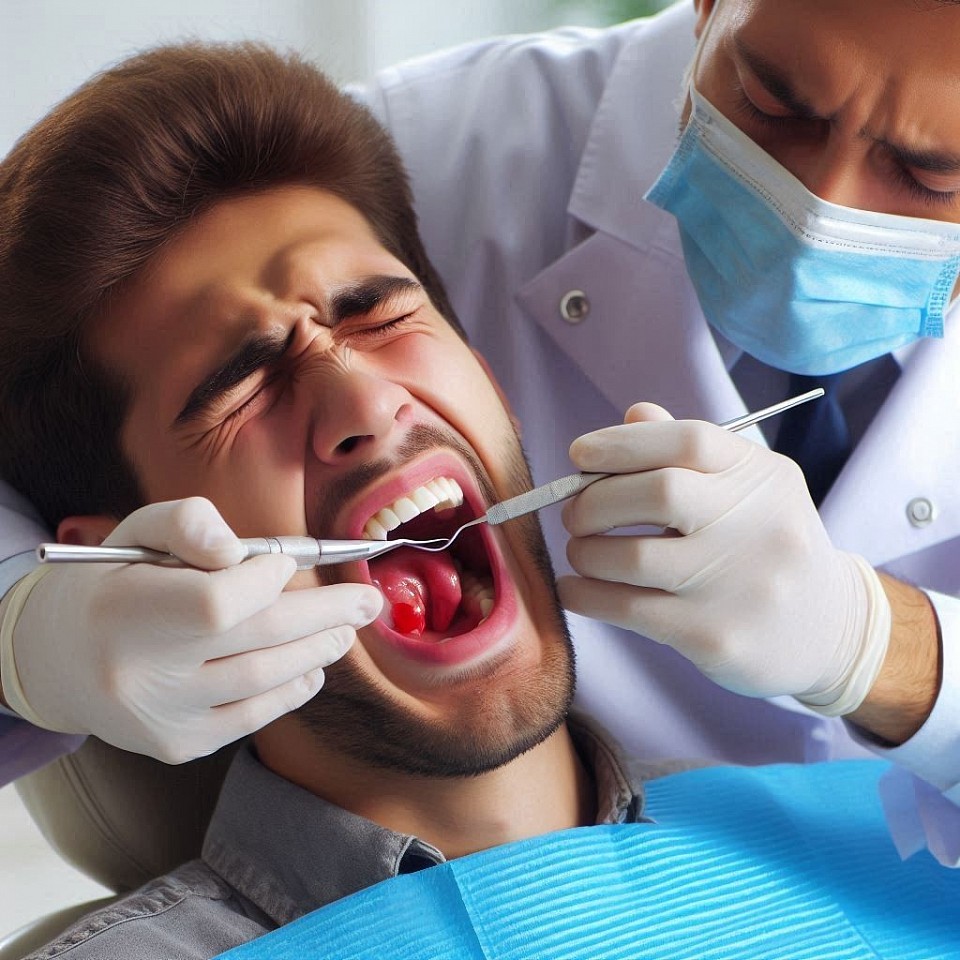
Parents often seek guidance from a childrens dentist Boca Raton when they want to understand how their child’s teeth develop during different stages of growth. Childhood dental development follows a gradual process that begins during infancy and continues through adolescence. Learning how teeth change over time can help parents support their children’s oral health and recognize the importance of consistent dental care.
Children experience several phases of dental growth, each with its own characteristics and challenges. Understanding these stages allows parents to guide their children through each step with confidence.
• The Early Stage of Dental Development
The earliest stage of dental development begins when the first teeth start to appear. These teeth play an important role in helping children learn how to chew, speak, and smile comfortably. Although these early teeth eventually fall out, they still require proper care and attention.
Parents may notice that children become curious about their new teeth as they emerge. This curiosity provides an opportunity to introduce gentle oral hygiene habits. Even before children fully understand brushing, parents can begin demonstrating simple routines that help keep teeth clean.
At this stage, children rely heavily on their caregivers to guide their dental care. By creating a calm and supportive environment, parents help children become comfortable with oral hygiene practices. These early experiences shape how children view dental care in the years ahead.
• The Transition From Primary Teeth to Permanent Teeth
As children grow older, they enter a stage where primary teeth gradually fall out and permanent teeth begin to appear. This transition is a natural part of childhood development. Children often find this stage exciting because it represents a sign that they are growing older.
Parents can help children understand what is happening by explaining that new teeth are replacing the old ones. Simple conversations about this process help children feel more comfortable when they notice loose teeth.
During this stage, maintaining good oral hygiene remains important. Proper brushing habits support the health of both remaining primary teeth and newly emerging permanent teeth. Children who continue practicing consistent dental routines during this transition are more likely to maintain healthy smiles as their mouths develop.
• Helping Children Adapt to Changes in Their Teeth
Children sometimes feel uncertain when their teeth begin to change. Loose teeth, shifting spaces, and the arrival of permanent teeth can feel unfamiliar. Parents can reassure children by explaining that these changes are a normal part of growing up.
Encouraging children to observe their dental development can also help them feel more involved in their oral health. For example, parents may invite children to look in the mirror and notice how their teeth change over time. These observations can spark curiosity and encourage children to ask questions about dental health.
Supporting children during this stage helps them remain confident about their smiles. When children feel informed and reassured, they are more likely to maintain positive attitudes toward dental care.
• The Importance of Monitoring Dental Development
Monitoring dental development helps ensure that children’s teeth continue growing in a healthy way. Parents can observe how teeth appear, how spacing changes, and how their child’s smile evolves over time.
Keeping track of these changes allows parents to understand the natural progression of dental development. When children feel supported throughout this process, they develop greater awareness of their own oral health.
Parents may also use these observations as opportunities to discuss the importance of maintaining healthy habits. Explaining how daily care helps protect both new and existing teeth reinforces the value of consistent oral hygiene.
Toward the later stages of childhood development, many families continue seeking guidance from a childrens dentist Boca Raton who can provide helpful insights about how growing smiles evolve over time.
Member Spotlight
Big Tooth Boca
21301 Powerline Road Suite 208A
Boca Raton, FL 33433
(561) 410-7741
https://pediatricdentistbocaraton.com/
Parents often rely on a childrens dentist Boca Raton to help them understand how to support their child’s oral health during different stages of development. Pediatric dentistry focuses on the changing needs of children as their teeth grow and mature. Dental professionals in this field may provide orthodontics that guide developing teeth into proper alignment, restorative dentistry that repairs damaged areas, and root canals designed specifically for young patients when deeper dental concerns occur. In some cases, extractions may be necessary to support healthy dental development. Emergency kids dental care can assist families when sudden dental issues arise, helping children receive prompt attention. Sedation may also be considered in certain situations to help children remain calm and comfortable during treatment. Pediatric dental care is designed to create positive experiences while supporting healthy growth and development. By focusing on children’s unique dental needs, pediatric dentistry helps families guide their children toward strong oral health and confident smiles that continue into adolescence.
Supporting Healthy Smiles Through Family Centered Care
Parents often seek simple and clear information that helps them guide their children toward strong oral habits. From early brushing lessons to school programs that reinforce healthy choices, families rely on shared knowledge to build confidence. Community discussions frequently point to local resources, including childrens dentist Boca Raton, as part of planning for calm and informed experiences that support children as they grow.
Creating a Calm and Friendly First Impression
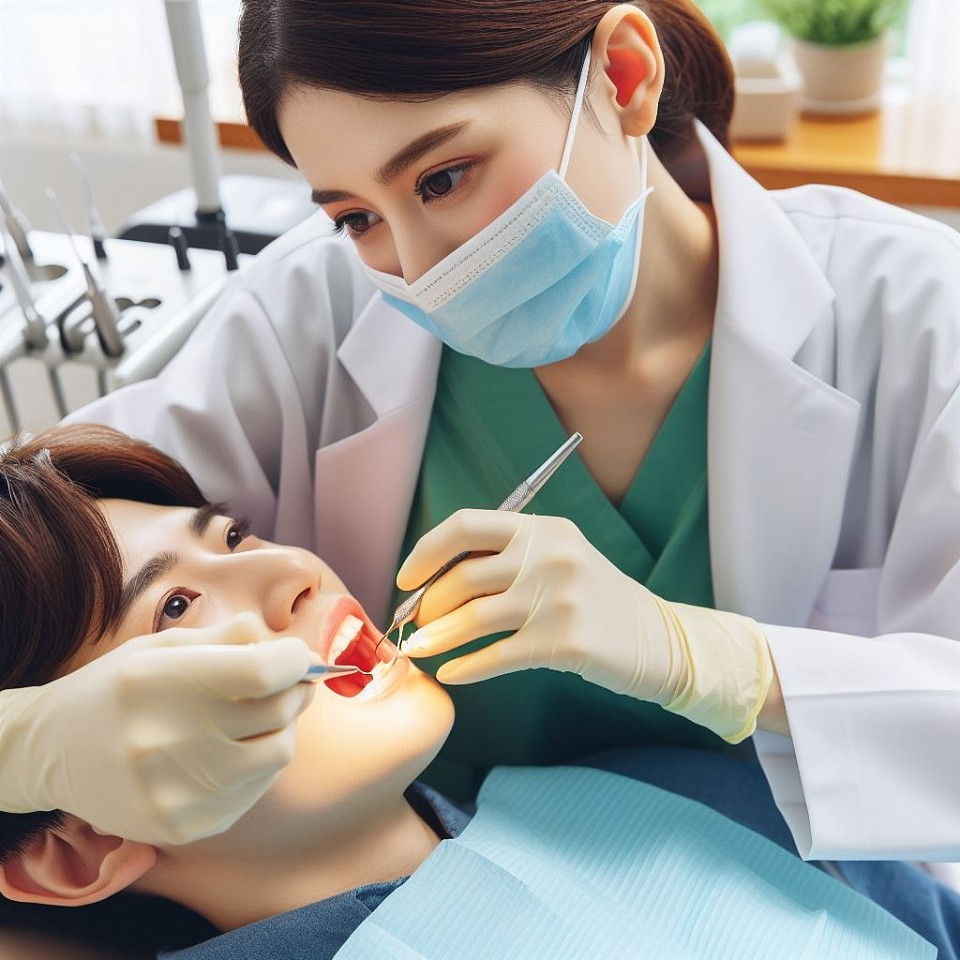
The atmosphere of a dental setting can influence how a child feels about care for years. Friendly greetings, bright spaces, and clear signs help families feel at ease from the start. Care teams often take time to explain tools and steps using simple words, allowing children to see and touch items before they are used. Parents can stay close and offer reassurance, which helps children feel safe. Over time, these small details can turn visits into familiar routines rather than stressful events. When children feel respected and included, they are more likely to participate and take pride in caring for their own smiles.
Establishing Consistent Home Care Practices
Daily routines at home play a major role in maintaining comfort and cleanliness. Brushing in the morning and before bed helps remove food and plaque from tooth surfaces. Parents can demonstrate gentle circular motions and steady timing, showing children how to care for their teeth without rushing. Flossing can be added when teeth begin to touch, with guidance to help children learn the motion. Turning these moments into shared family activities can make them feel positive and engaging. Talking about how clean teeth feel can help children connect the routine to their own comfort and appearance.
Making Thoughtful Nutrition Choices Together
Food and drink often influence how teeth feel throughout the day. Offering water regularly can help keep the mouth fresh, while balanced meals support overall wellness. Parents can explain how sticky snacks may cling to teeth and why brushing afterward matters. Involving children in choosing fruits, vegetables, and other nourishing options during shopping trips or meal planning can turn nutrition into a fun activity. This approach helps children understand the link between what they eat and how their body feels, including their smiles. Over time, these lessons can guide better decisions and encourage children to take responsibility for their own health.
Learning About Dental Services for Growing Needs
As children move through different stages, their dental needs may change. Some may benefit from orthodontic guidance to support alignment, while others may need restorative care after an injury or cavity. Emergency visits can occur during sports or play, making it helpful for families to know how to respond calmly. Sedation options may be discussed for children who feel uneasy during longer procedures, helping them remain relaxed. Extractions and root canals for young patients are explained carefully so families understand each step. Being informed about these services can help parents feel prepared when questions or concerns arise.
Community Learning and School Partnerships
Schools and community centers often play a role in promoting oral health through simple lessons and activities. Classroom talks, story sessions about brushing, and take home guides can reinforce what children learn at home. These programs provide a relaxed setting where children can ask questions and share experiences. Parents can stay connected with teachers and local organizers to learn about upcoming events. When oral care becomes part of community learning, it creates a sense of shared responsibility and support. This network helps families feel connected and guided as they encourage healthy routines.
Looking Ahead with Confidence and Organization
Keeping track of appointments, recommendations, and changes in a child’s development can help families stay organized. Simple notes about brushing habits or comfort levels can make conversations with care teams more meaningful. As children grow, their needs and questions may change, making open communication important. Viewing oral care as a continuous journey allows families to adjust routines and expectations over time. This thoughtful approach can support steady progress and help children feel confident as they take more responsibility for their own health.
As parents share insights and stories within their communities, they often highlight the value of staying informed and connected. These conversations can guide others toward helpful resources and supportive environments. Toward the close of this ongoing path, many families continue to explore local guidance, including childrens dentist Boca Raton options, as they plan for future visits and steady support for their children’s growing smiles.
Member Spotlight
Big Tooth Boca
21301 Powerline Road Suite 208A
Boca Raton, FL 33433
(561) 410-7741
https://pediatricdentistbocaraton.com/
At Big Tooth Boca, families experience a welcoming approach that focuses on building confidence and clear communication with every visit. Dr. Shelly Levin and her team take time to explain care steps in ways children can understand, helping them feel comfortable and involved. Parents value the thoughtful guidance that supports healthy routines at home and encourages positive habits. The practice emphasizes education alongside gentle care, creating an environment where questions are welcomed and learning feels natural. When families look for a pediatric dentist Boca Raton, they often appreciate a clinic that blends professional expertise with a warm atmosphere designed to support long-term oral wellness and trust.